A European-style CV and cover letter follow a structured format that highlights professional experience, education, and key skills in a clear and concise manner. If you’re applying for jobs in Europe, understanding the preferred format, key sections, and best practices can significantly improve your chances of getting hired.
In this guide, we’ll walk you through:
✅ What is a European CV?
✅ How to Format a European CV (with Example)
✅ Essential Sections of a European CV
✅ How to Write a Compelling European Cover Letter
✅ Common Mistakes to Avoid
What is a European CV?
A European CV (Curriculum Vitae) is a standardized document used across most European countries. Unlike a US-style resume, which is typically one page, a European CV can be two or more pages, especially if you have extensive experience.
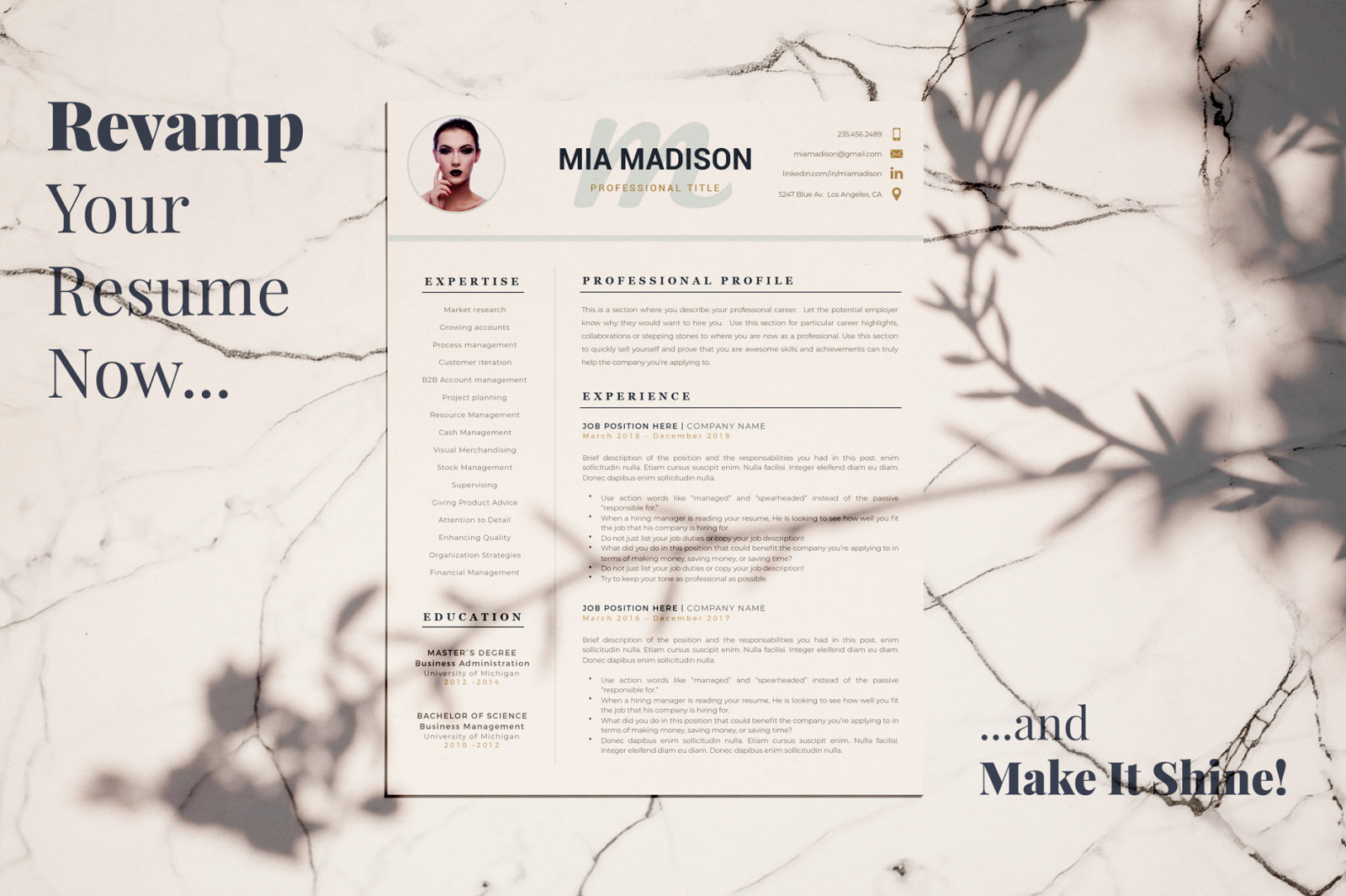
In some countries, such as Germany, France, and Spain, adding a professional photo to the CV is common practice.
Additionally, the Europass CV format, created by the European Union, is widely accepted and provides a structured way to present your qualifications.
How to Format a European CV
When formatting your European CV, follow these guidelines:
- Length: 1–2 pages (3 pages for senior roles).
- Font: Use professional fonts like Arial, Calibri, or Times New Roman (size 11–12).
- Structure: Clear headings, bullet points, and a reverse chronological order format (most recent experience first).
- Language: If applying in a non-English-speaking country, translate the CV into the local language unless stated otherwise.
- Photo: Some countries prefer a small passport-style photo in the top corner.
Essential Sections of a European CV
1. Personal Information
✅ Full Name
✅ Phone Number (with country code)
✅ Email Address
✅ LinkedIn Profile (optional but recommended)
✅ Address (City and Country)
✅ Nationality
✅ Date of Birth (optional but common in some countries)
✅ Professional Photo (optional)
Example:
John Smith
📍 Berlin, Germany | 📧 john.smith@email.com | ☎️ +49 170 1234567
🌍 LinkedIn: linkedin.com/in/johnsmith
2. Professional Summary (Optional but recommended)
A short paragraph (3–4 lines) summarizing your key skills, experience, and career goals.
Example:
Results-driven Marketing Specialist with 5+ years of experience in SEO, digital advertising, and content marketing. Proven track record of increasing brand engagement by 40% and leading cross-functional teams in European markets. Seeking to contribute to a dynamic company focused on innovation and growth.
3. Work Experience
List your experience in reverse chronological order (most recent job first).
Format:
- Job Title | Company Name, Location | Month/Year – Month/Year
- Brief description of responsibilities
- Key Achievements: Use bullet points and quantify results when possible
Marketing Manager | XYZ Digital Agency, Paris, France | Jan 2020 – Present
- Led a team of 5 marketing professionals to develop and execute digital campaigns.
- Increased social media engagement by 40% and website traffic by 60% through targeted strategies.
- Managed a marketing budget of €500,000 per year and optimized ROI.
4. Education
List degrees and certifications in reverse chronological order.
Format:
- Degree | University Name, Country | Year of Completion
Master’s in Business Administration (MBA) | University of Amsterdam, Netherlands | 2020
Bachelor’s in Marketing | University of Madrid, Spain | 2017
If you studied abroad, mention it! International experience is valued in Europe.
5. Skills
Highlight hard and soft skills relevant to the job.
Hard Skills (Technical Skills):
✅ SEO & Digital Marketing
✅ Data Analysis & Google Analytics
✅ Project Management (Agile, Scrum)
✅ Financial Forecasting
✅ Programming (Python, SQL)
Soft Skills (Interpersonal Skills):
✅ Leadership & Teamwork
✅ Communication & Negotiation
✅ Problem-Solving
✅ Adaptability
✅ Multilingual (English, Spanish, German)
6. Languages
Being multilingual is a huge advantage in Europe. Use the Common European Framework of Reference for Languages (CEFR) to indicate proficiency:
- Native / Fluent (C2)
- Advanced / Proficient (C1)
- Intermediate (B2)
- Basic (A1–A2)
Example:
- English – Fluent (C2)
- French – Advanced (C1)
- German – Intermediate (B2)
7. Certifications & Additional Information (Optional but valuable)
If you have industry-specific certifications, list them here.
✅ Google Ads Certification
✅ PMP (Project Management Professional)
✅ Certified Data Analyst (CDA)
✅ UX/UI Design Certification
You can also include:
- Volunteer Work
- Publications
- Awards & Achievements
How to Write a European Cover Letter
A cover letter (also called a motivation letter in some European countries) should complement your CV by explaining why you’re the right candidate for the job.
1. Structure of a European Cover Letter
- Header – Include your contact details and the employer’s details.
- Salutation – Address the hiring manager by name if possible.
- Introduction – Mention the job you’re applying for and a compelling reason for your interest.
- Body Paragraphs – Highlight your relevant skills, experience, and achievements.
- Conclusion – Express enthusiasm and request an interview.
- Signature – End with a polite closing and your full name.
2. Example of a European Cover Letter
📍 John Smith
📧 john.smith@email.com | ☎️ +49 170 1234567
📍 Berlin, Germany
📍 Hiring Manager’s Name
XYZ Digital Agency
Paris, France
Subject: Application for the Marketing Manager Position
Dear [Hiring Manager’s Name],
I am writing to express my interest in the Marketing Manager position at XYZ Digital Agency. With over 5 years of experience in digital marketing, SEO, and campaign management, I have successfully led projects that increased brand awareness and customer engagement across European markets.
In my current role at XYZ Digital Agency, I have:
- Increased social media engagement by 40% through targeted content strategies.
- Managed a €500,000 annual marketing budget, optimizing ROI.
- Led a team of 5 marketers to execute high-impact campaigns.
I am particularly excited about the opportunity to join XYZ Digital Agency, as I admire your innovative approach to digital marketing. My experience in data-driven decision-making and multilingual marketing strategies makes me a strong candidate for this role.
I would welcome the opportunity to discuss how my skills can contribute to your team. Please feel free to contact me at your convenience.
Sincerely,
John Smith
Common Mistakes to Avoid
🚫 Using a Generic CV and Cover Letter – Tailor each application to the job.
🚫 Ignoring Local Preferences – Research country-specific CV formats (e.g., German CVs require a photo).
🚫 Skipping the Cover Letter – Many European employers expect a motivation letter.
🚫 Not Highlighting Language Skills – Multilingual abilities are highly valued.
🚫 Including Too Much Personal Information – Avoid marital status, religion, or unnecessary details.
Final Thoughts
A European-style CV and cover letter should be well-structured, detailed, and customized for each job application. By following the right format and best practices, you can increase your chances of securing interviews in competitive European job markets.
Start refining your CV and cover letter today to land your dream job in Europe! 🚀