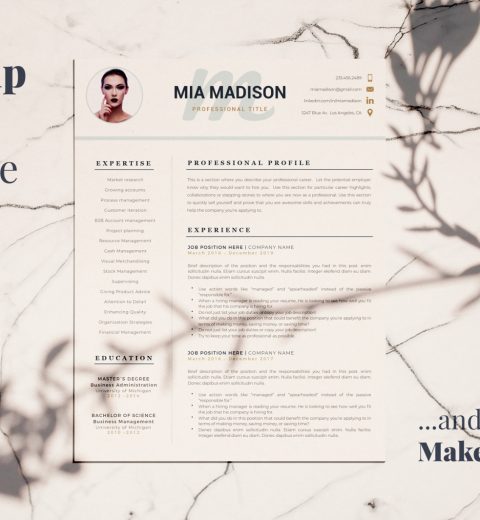

Did you know that 88% of hiring managers and recruiters focus on hard skills when reviewing resumes? As skills-based hiring continues to grow in importance, listing your relevant hard skills has never been more crucial for landing the job you want.
In this article, we’ll dive deep into hard skills: what they are, why they matter for your career, and how to effectively showcase them on your resume. We’ll also highlight the most in-demand hard skills across various industries and provide tips on how you can develop these skills to stand out to recruiters.
What Are Hard Skills?
Hard skills are specific, measurable, and teachable abilities that you need to perform a job effectively. These skills are often industry-specific or role-specific and can be learned through formal education, specialized training, or hands-on experience.
Common examples of hard skills include programming languages, data analysis, foreign language proficiency, and project management. These are the technical qualifications that allow you to do a job efficiently.
Hard Skills vs. Soft Skills
While hard skills are job-specific and measurable, soft skills refer to personal traits that help you interact with others and manage tasks in a workplace. Soft skills, often called interpersonal skills, include communication, time management, teamwork, and problem-solving.
Why Are Hard Skills Important?
Hard skills are critical for several reasons:
- Boost Your Employability: Employers value candidates with the specific technical skills needed to perform the job effectively.
- Enhance Your Job Performance: Strong hard skills help you complete tasks efficiently, meet industry standards, and achieve professional goals.
- Career Advancement: Acquiring advanced hard skills can qualify you for promotions and higher-level roles within your company.
Top 10 In-Demand Hard Skills
Jobscan’s skill report data reveals the following top 10 in-demand hard skills:
- Artificial Intelligence (AI)
- Data Analysis
- Project Management
- Cloud Computing
- Marketing
- Management
- Computer Science
- Reporting
- Design
- Sales
Types of Hard Skills
There are various types of hard skills depending on your industry and job role. Here are some of the most sought-after skills across different fields:
1. Technical Skills
- Coding Languages: Proficiency in languages like Python, Java, C++.
- Web Development: HTML, CSS, JavaScript, React.
- Cybersecurity: Knowledge of encryption, firewalls, and security protocols.
2. Computer Skills
- Microsoft Office Suite: Excel, PowerPoint, Word, Outlook.
- Cloud Services: Experience with AWS, Azure, or Google Cloud.
- Data Visualization Tools: Proficiency in Tableau or Power BI.
3. Industry-Specific Skills
- Finance: Financial modeling, QuickBooks, risk analysis.
- Healthcare: Medical coding, patient care software, HIPAA compliance.
- Engineering: CAD software like AutoCAD, SolidWorks.
4. Project Management Skills
- Agile Methodologies: Scrum, Kanban.
- Risk Management: Identifying project risks and creating mitigation plans.
5. Creative Skills
- Graphic Design: Adobe Photoshop, Illustrator.
- Video Editing: Expertise in tools like Premiere Pro, Final Cut Pro.
How to Choose Which Hard Skills to Include on Your Resume?
To make your resume stand out, it’s essential to choose the right hard skills to list. Here are three tips for selecting the best hard skills for your resume:
1. Tailor Hard Skills to the Job Description
When applying for a job, ensure that your resume matches the hard skills listed in the job description. Many companies use Applicant Tracking Systems (ATS), which look for specific keywords (like hard skills). Tailoring your resume increases the chances that your application will be seen by recruiters.
2. Focus on Relevant Expertise
Don’t list every skill you possess. Focus on the ones most relevant to the job you’re applying for. For instance, a graphic designer should highlight skills like Adobe Creative Suite and UI/UX design, but should avoid unrelated skills like data analysis.
3. Quantify Your Hard Skills
Whenever possible, quantify your skills to show measurable impact. For example:
- Excel: “Reduced project completion time by 30% using advanced Excel functions.”
- Project Management: “Led a team to deliver a product ahead of schedule, improving productivity by 15%.”
Where to Showcase Hard Skills on Your Resume?
Here are four key sections where you can highlight your hard skills:
- Resume Headline: At the top of your resume, include a brief statement showcasing your most critical hard skills.
- Resume Summary: Use this section to highlight your skills, experience, and achievements.
- Skills Section: This is where you can list your most relevant hard skills, either in bullet points or separated by commas.
- Work Experience Section: In this section, incorporate your hard skills into your achievements and responsibilities, backed up by quantifiable results.
How to Develop Hard Skills?
There are multiple ways to acquire and enhance hard skills:
- Formal Education: College degrees and certifications in specialized fields.
- Online Courses: Platforms like Coursera, Udemy, and LinkedIn Learning offer numerous courses on in-demand skills.
- On-the-Job Training: Internships and apprenticeships provide practical, hands-on experience.
- Self-Study and Hobbies: Books, tutorials, and personal projects are also valuable ways to develop your skills.
Conclusion
Hard skills are essential for securing a job, excelling in your role, and advancing your career. Whether you’re looking to acquire new skills or update your current ones, it’s important to stay current with the industry’s needs and tailor your resume to highlight the right technical qualifications.
Key Takeaways:
- Hard skills are measurable, specific abilities that are directly related to performing a job.
- These skills are crucial for employability, job performance, and career advancement.
- Tailor your hard skills to the job description and showcase them effectively in your resume and cover letter.
If you want to optimize your resume for Applicant Tracking Systems, consider using tools like Jobscan to ensure your hard skills align with the job you’re applying for.
FAQs
What are hard skills to include on a resume?
Hard skills are technical abilities like data analysis, coding, project management, graphic design, SEO, and machine learning.
How do I improve my hard skills?
You can improve hard skills through online courses, formal education, hands-on experience, and self-study.
What is the difference between hard skills and soft skills?
Hard skills are technical and job-specific, whereas soft skills are interpersonal traits like communication, teamwork, and critical thinking.